The Hair Oiling File.
Which hair oil should I actually use? A private investigation into the oils everyone keeps recommending, from rosemary to coconut to castor.
The rumor.
Some beauty advice arrives like a secret.
Your mom says it while brushing your hair. A friend says it like she discovered classified information. TikTok says it with a glass dropper, dramatic before-and-after photos, and a comment section full of girls asking the same thing:
So I opened the file.
Hair oiling is supposed to make your hair longer, thicker, shinier, softer, healthier, stronger, and basically impossible to insult.
Allegedly.
But the problem is that “hair oiling” gets talked about like it is one single thing, when it is actually several different beauty rituals hiding under the same name.
You can oil your scalp. You can oil your lengths. You can use oil before washing. You can use oil after styling. You can use it for shine, dryness, breakage, massage, or growth claims.
Those are not the same file.
What hair oiling actually is.
Hair oiling is the practice of applying oil to the scalp, hair lengths, or ends depending on what you are trying to improve.
But the goal matters.
If you are applying oil to your scalp, you are usually focusing on scalp comfort, massage, dryness, flakes, or growth-related claims.
If you are applying oil to your lengths, you are usually focusing on dryness, shine, softness, friction, and breakage.
If you are applying oil after styling, you are usually using it as a finishing product to smooth frizz and add gloss.
The mistake is using one oil for every problem, because your scalp and your ends do not always need the same thing.
Your scalp is skin. It can get irritated, clogged-feeling, itchy, greasy, flaky, or sensitive.
Your hair lengths are fiber. They can get dry, rough, frizzy, dull, or damaged from washing, heat, brushing, coloring, and friction.
So before choosing an oil, ask: what am I trying to fix?
The science file.
Before we choose an oil, we need to separate three different claims: hair growth, less breakage, and shine or softness.
Because an oil can be useful for shine and still have weak evidence for growth.
| Claim | What It Means | What We Are Looking For |
|---|---|---|
| Hair growth | More hair coming from the scalp | Human studies, scalp-related outcomes, hair count, hair density |
| Less breakage | Keeping the hair you already have from snapping | Protein loss, hair fiber protection, reduced friction |
| Shine and softness | Hair looks smoother, glossier, less frizzy | Cosmetic finish, conditioning effect, softness, manageability |
Not every oil is a growth oil. Some oils are better for the scalp. Some are better for the lengths. Some just make your hair look expensive. All of those can be useful, but they are not the same claim.
The evidence check.
| Oil | Main Claim | Evidence Type | Scientific Note | PGF Translation |
|---|---|---|---|---|
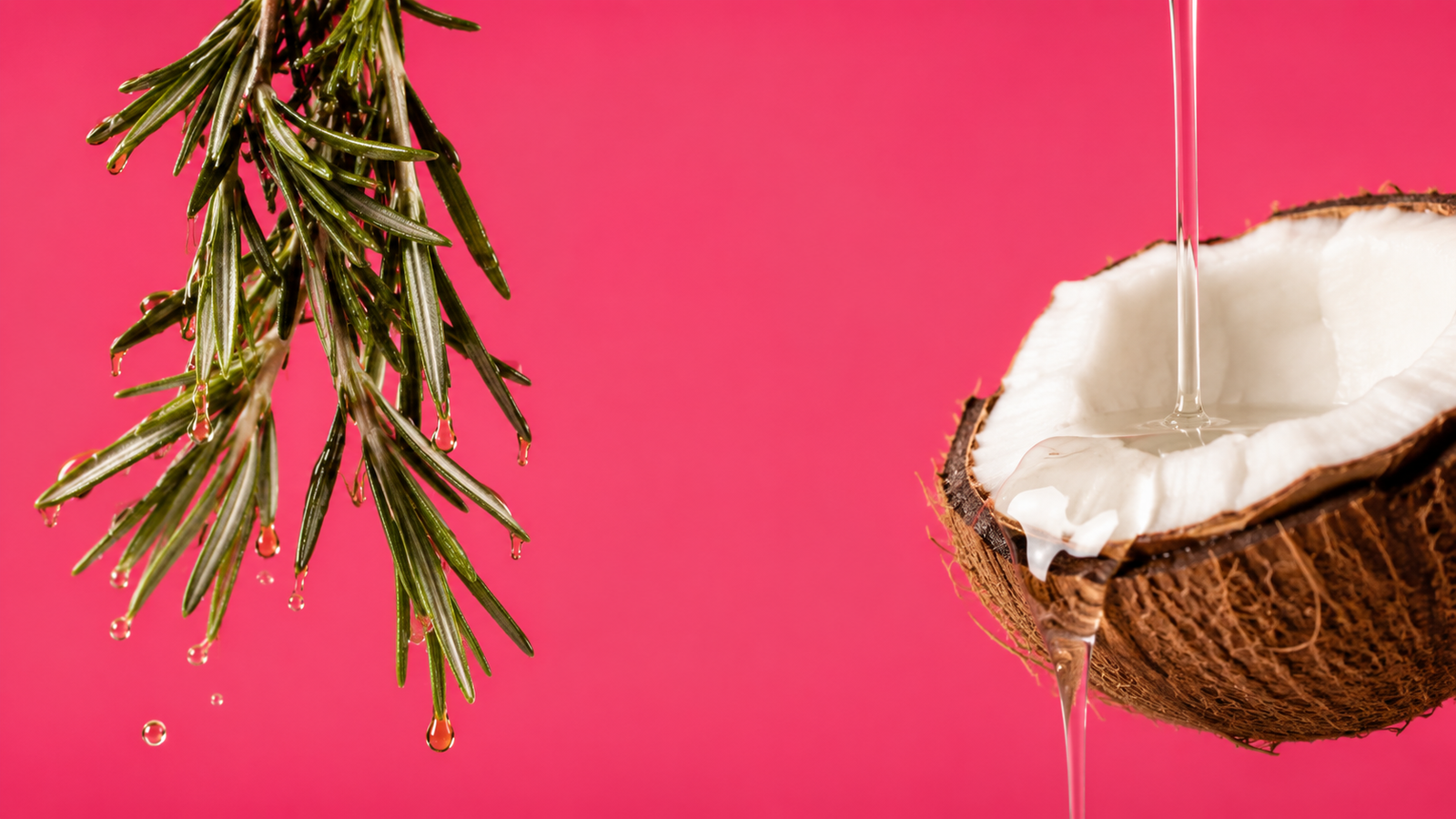
| Rosemary oil | Hair growth / androgenetic alopecia | Human randomized comparative trial | Studied against 2% minoxidil for 6 months in androgenetic alopecia. No major change at 3 months, improvement at 6 months. | Interesting, but not magic. Think months, not days. |
| Coconut oil | Less protein loss / damage protection | Human hair fiber study | Coconut oil reduced protein loss better than mineral and sunflower oil, likely because lauric acid can penetrate the hair shaft. | Best evidence for protecting lengths. |
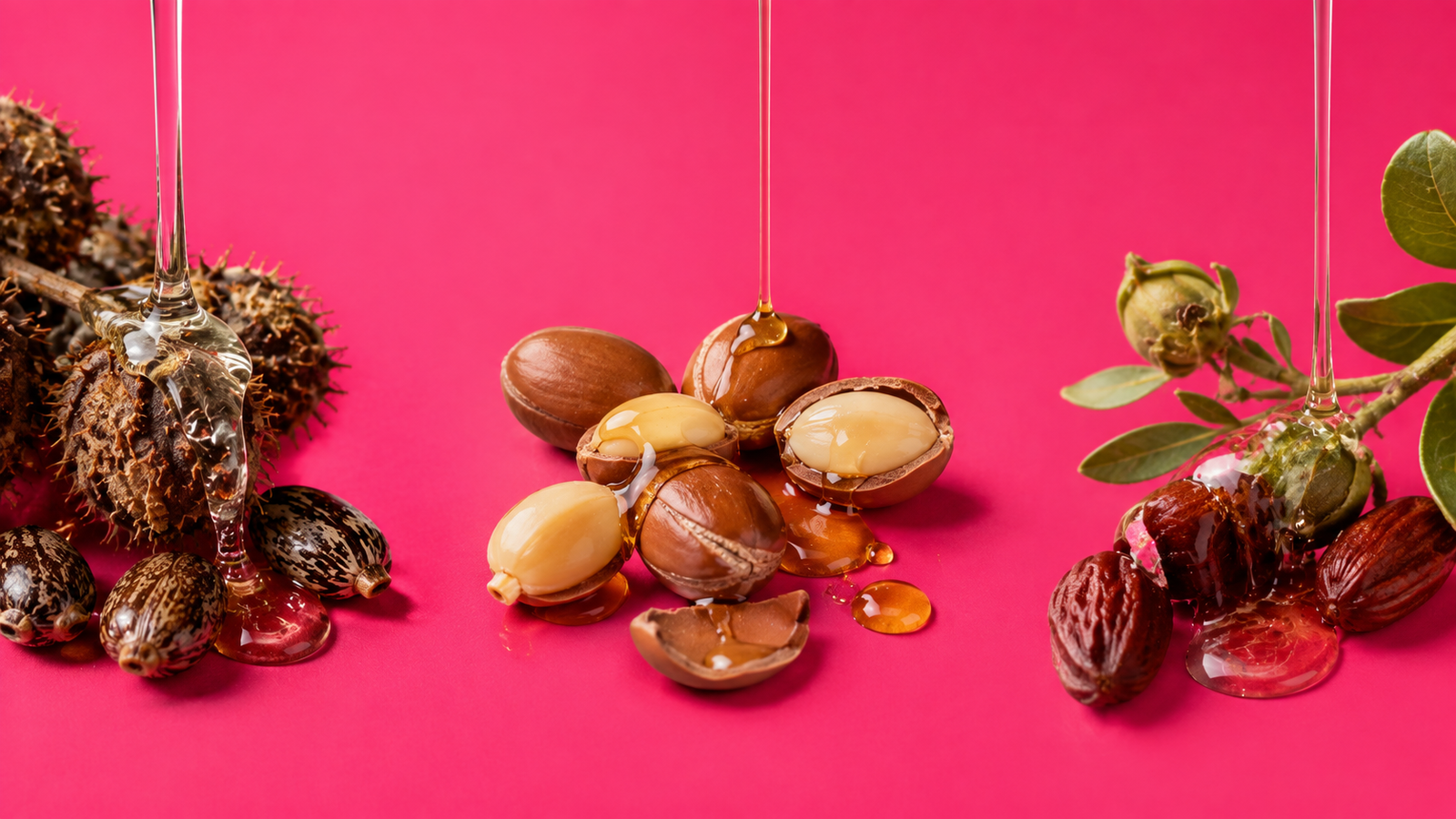
| Castor oil | Growth, edges, lashes, thickness | Limited evidence | Very popular, but growth evidence is weaker than the internet claims. Thick and occlusive. | Useful for sealing, but suspiciously overhyped. |
| Argan oil | Shine / oxidative damage protection | Human hair laboratory study | Argan oil pretreatment reduced protein loss after oxidative damage in human hair samples. | Better for gloss, softness, and protection than growth. |
| Jojoba oil | Lightweight scalp oiling / comfort | Ingredient chemistry + practical use | Jojoba is a liquid wax ester and tends to feel lighter than many heavy oils. | Beginner-friendly. Quiet, useful, not dramatic. |
| Peppermint oil | Hair growth | Animal study | A 2014 mouse study showed hair-growth-related effects, but this is not the same as proven human evidence. | Interesting, but still not closed. |
| Pumpkin seed oil | Pattern hair loss | Human clinical studies | Studied in male androgenetic alopecia and female pattern hair loss. More hair-loss research than many trendy oils. | Promising, but not the same as casual hair oiling. |
If the claim is “this oil grows hair,” the file needs human scalp evidence.
If the claim is “this oil protects hair,” the file can look at hair fiber studies, protein loss, and damage protection.
If the claim is “this oil makes hair shiny,” the evidence can be more cosmetic: softness, coating, frizz control, and finish.
The suspects.
Rosemary oil
Rosemary oil is probably the most viral hair oil right now. The reason it became so popular is partly because of a study comparing rosemary oil with 2% minoxidil in people with androgenetic alopecia over six months.
Both groups showed increased hair count at six months, and there was no significant difference between the rosemary oil group and the minoxidil group in that study. But this needs context. This does not mean rosemary oil grows everyone’s hair overnight.
Rosemary oil is worth investigating, but it is not magic. If you use it, think months, not days.
Coconut oil
Coconut oil has some of the most interesting evidence for the hair fiber itself. A cosmetic science study found that coconut oil helped reduce protein loss in hair when used as a pre-wash or post-wash grooming product.
This may be because coconut oil contains lauric acid, which has properties that allow it to penetrate the hair shaft better than some other oils.
Coconut oil is not just “grandma said so.” It actually has a reason to be in the file, especially for hair lengths and damage protection.
Castor oil
Castor oil has one of the loudest reputations online. People use it for lashes, brows, edges, thickness, hair growth, and almost every beauty miracle imaginable.
But castor oil is very thick. For many people, it can feel heavy, sticky, hard to wash out, or too much for the scalp.
Castor oil may be useful for sealing, edges, or very dry areas, but the growth claims are not as strong as the internet makes them sound. Castor oil is not cancelled. It is just overhyped.
Argan oil
Argan oil is the glossy girl. It is usually better for shine, softness, frizz control, and making the ends look more polished. It is less of a “growth oil” and more of a finishing or smoothing oil.
A 2022 study looked at argan oil as a pretreatment before oxidative damage on human hair samples. The study found reduced protein loss in pretreated hair, suggesting argan oil may help protect hair from damage.
Argan oil belongs in the “gloss, softness, protection” category. It is not the main suspect for growth, but it is absolutely relevant for hair that looks polished and expensive.
Jojoba oil
Jojoba oil is lightweight compared with many heavier oils. It is often used for scalp comfort, light oiling, and softening without feeling as intense as castor or coconut.
Jojoba is technically a liquid wax ester, not a typical triglyceride oil. Its texture is usually lighter and more scalp-friendly than heavy oils.
Jojoba is beginner-friendly. Quiet, useful, not dramatic.
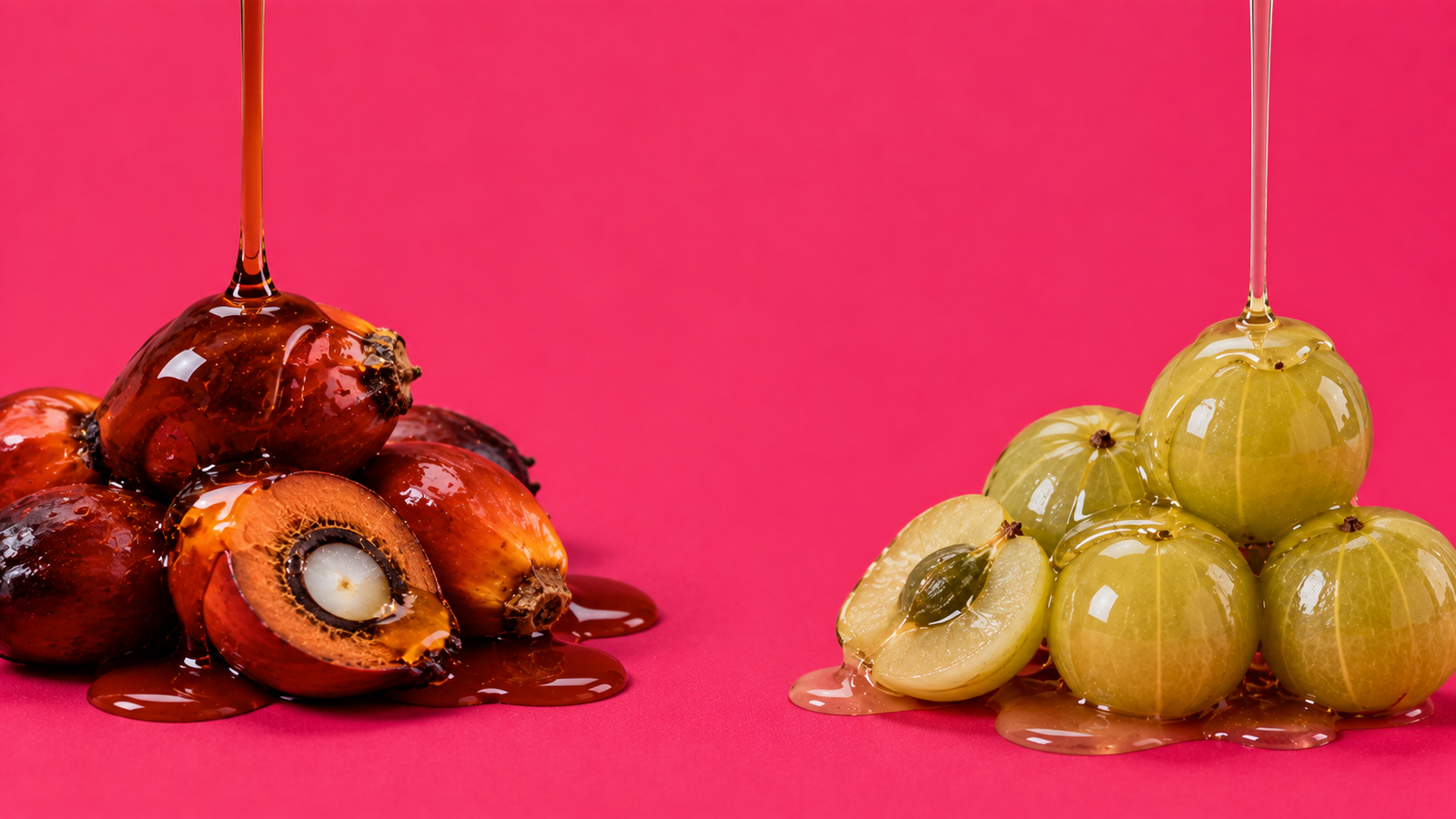
Amla oil
Amla oil belongs in the conversation because it is part of traditional hair rituals and is often associated with shine, scalp massage, and stronger-looking hair.
But the formula matters. Some amla oils are beautiful. Some are mostly fragrance, mineral oil, or ingredients your scalp may not love.
Amla is interesting, but read the label like a girl with trust issues.
Peppermint oil
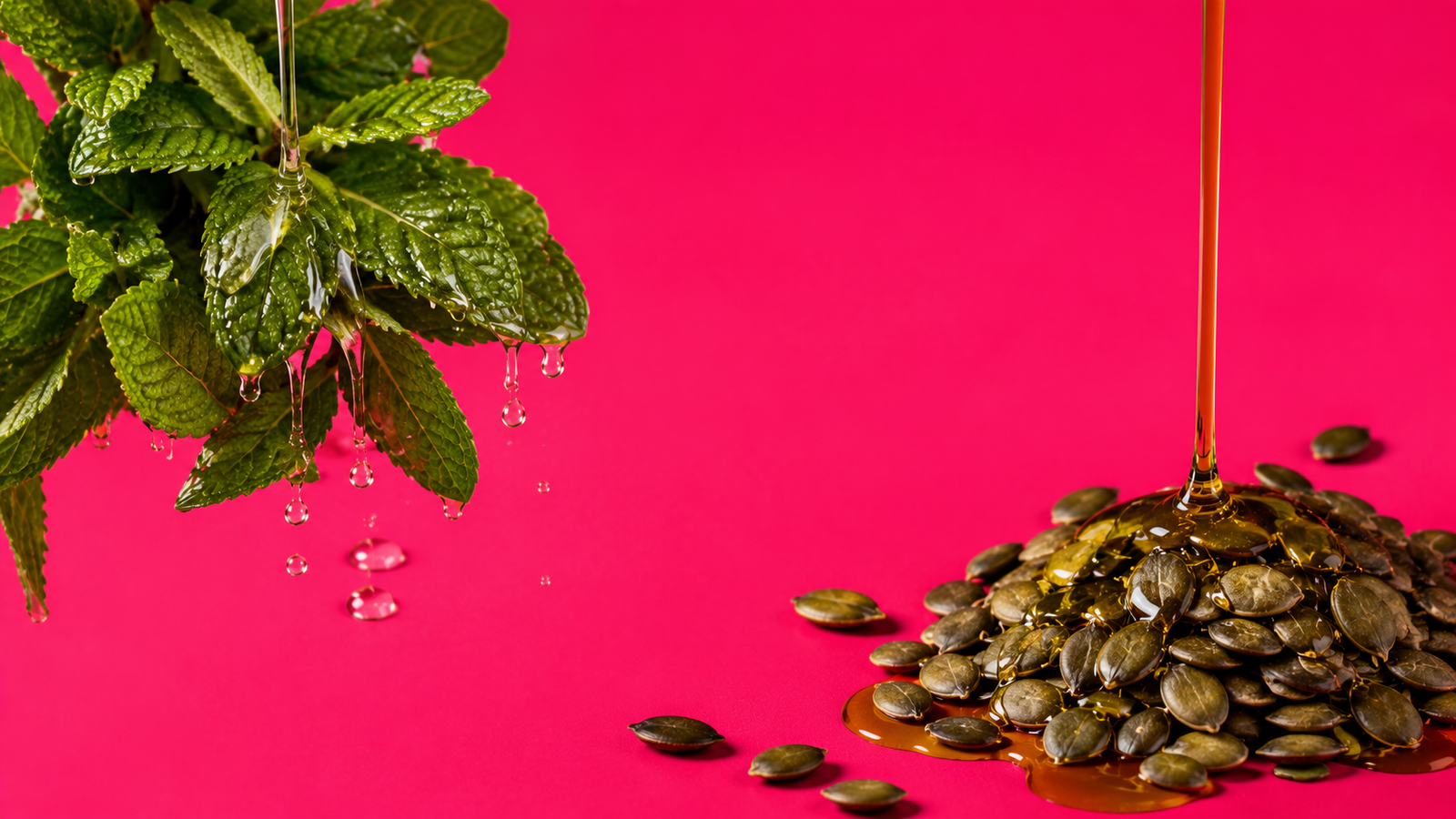
Peppermint oil is interesting, but this file needs a warning label. A 2014 study found that peppermint oil promoted hair growth in mice.
That is worth noting, but it is still an animal study. Animal studies can help generate ideas, but they do not prove the same result will happen in humans.
Interesting? Yes. Proven for pretty girls everywhere? Not yet. Also, peppermint essential oil can irritate skin if used incorrectly, so it should not be applied directly without proper dilution.
Pumpkin seed oil
Pumpkin seed oil has actual human studies in the hair loss conversation. A 2014 randomized, double-blind, placebo-controlled trial studied pumpkin seed oil in men with androgenetic alopecia.
A 2021 randomized comparative trial studied pumpkin seed oil versus 5% minoxidil foam in female pattern hair loss.
Pumpkin seed oil is not just a random pantry oil. It has a place in hair loss research, but this is different from saying “put pumpkin seed oil on your hair once and it will grow.”
Grapeseed oil
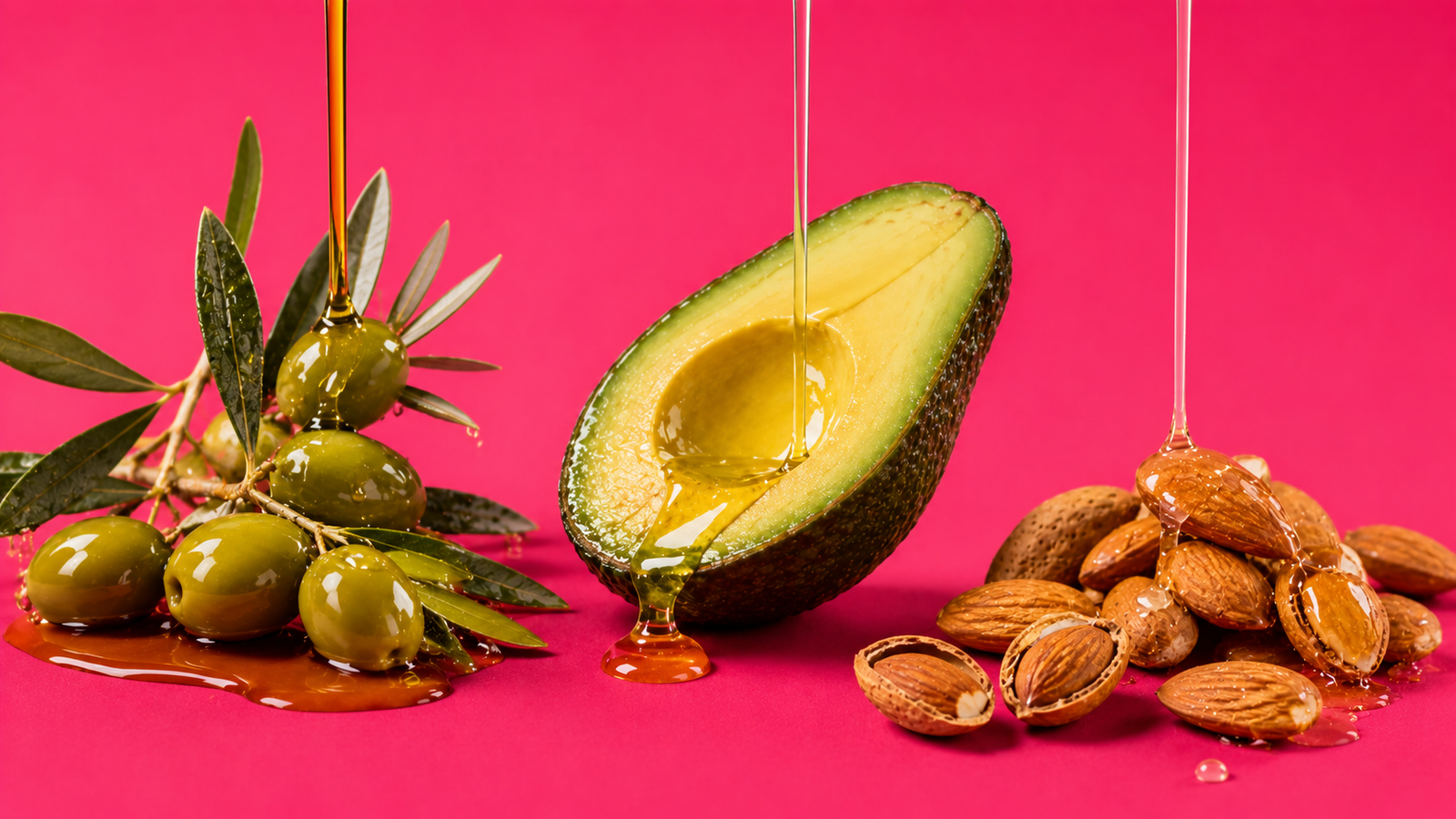
Grapeseed oil is lighter than many richer oils, which can make it useful for fine hair, light shine, and people who hate heavy residue.
It does not have the same kind of strong hair-growth evidence as rosemary or pumpkin seed oil, and it does not have the same protein-loss file as coconut oil.
Not the loudest oil in the cabinet, but sometimes that is exactly the point.

The oil cabinet.
| Oil | Best For | Evidence Level | Be Careful If | PGF Verdict |
|---|---|---|---|---|
| Rosemary oil | Scalp massage and growth-related claims | Interesting, but specific | Your scalp is sensitive or itchy | Worth investigating |
| Coconut oil | Pre-wash lengths, dryness, damage protection | Stronger for hair fiber/protein loss | Your hair gets heavy or stiff | Best evidence for lengths |
| Castor oil | Sealing, edges, very dry areas | Weak for growth claims | You hate heavy oils or buildup | Suspiciously popular, use carefully |
| Argan oil | Shine, frizz, softness, styling | Cosmetic + hair damage protection | Your roots get greasy fast | Glossy girl approved |
| Jojoba oil | Lightweight scalp oiling, beginners, softening | Practical, less dramatic | You want intense conditioning | Underrated |
| Amla oil | Traditional oiling rituals, shine, scalp massage | Formula-dependent | The product is heavily fragranced | Culturally iconic, check the label |
| Peppermint oil | Growth-related curiosity | Animal study | Your scalp is sensitive | Interesting, not proven enough |
| Pumpkin seed oil | Pattern hair loss research | Human clinical studies | You expect instant results | Promising, but specific |
| Grapeseed oil | Fine hair, light shine, soft sealing | Limited | Your hair needs richer oil | Lightweight option |
The PGF evidence ranking.
| Rank | Oil | Why |
|---|---|---|
| Most interesting for scalp-growth claims | Rosemary oil | Human comparative trial, but specific to androgenetic alopecia and long-term use |
| Best evidence for hair lengths | Coconut oil | Stronger evidence for reducing protein loss in hair fibers |
| Most promising extra file | Pumpkin seed oil | Human studies for pattern hair loss, but not the same as casual oiling |
| Best cosmetic finish | Argan oil | Better for shine, softness, and protection than growth |
| Best beginner oil | Jojoba oil | Lightweight, practical, less heavy |
| Most overhyped | Castor oil | Useful for sealing, but weak growth evidence |
| Most “interesting but wait” | Peppermint oil | Animal study, not enough human evidence yet |
| Best lightweight option | Grapeseed oil | Easy for fine hair, but limited evidence |
Match the oil to the mission.
If your scalp is the problem: rosemary oil or jojoba oil may make more sense.
If your ends are dry: coconut, argan, or grapeseed oil may be more useful.
If your hair is thick or coarse: coconut, amla, or a tiny amount of castor oil may work better.
If your hair is fine or gets greasy fast: jojoba or grapeseed oil may be safer starting points.
If you want shine after styling: argan oil is usually the prettiest option.
If you want growth: do not ignore scalp health, nutrition, stress, hormones, protective styling, and breakage.
Sometimes your hair is not “not growing.” Sometimes it is breaking before you notice the length.
The Pretty Girl Method
- Choose one oil based on the actual problem.
- Apply to dry hair before washing.
- If using scalp oil, massage gently with fingertips.
- If using length oil, focus on mids and ends.
- Leave it on for 1 to 3 hours.
- Shampoo properly. Shampoo twice if needed.
- Repeat once a week for a few weeks before judging.
- Patch test first, especially with essential oils.
- Do not apply rosemary or peppermint essential oil directly without dilution.
- Stop if your scalp gets itchy, irritated, flaky, or uncomfortable.
The mistakes
Using too much oil. Putting heavy oil directly on an oily scalp. Using rosemary or peppermint essential oil without diluting it. Believing castor oil will magically grow hair overnight. Applying oil to dirty buildup and expecting a clean scalp. Not washing the oil out properly. Using oils as a replacement for conditioner. Thinking oil can repair split ends. Confusing hair growth with length retention. Ignoring hair shedding that may need a deeper look.
The conclusion.
So… which hair oil should a pretty girl actually use?
The honest answer: it depends on the mission.
Not every oil belongs everywhere. Some oils are for the scalp. Some are for the lengths. Some are for shine. Some are just doing too much.
| If You Want… | Use This | Why |
|---|---|---|
| Scalp-growth support | Rosemary oil | The most interesting viral oil for growth-related claims, but it needs consistency and patience |
| Hair loss research | Pumpkin seed oil | Promising in pattern hair loss studies, but not an overnight miracle |
| Pre-wash protection | Coconut oil | Best evidence for reducing protein loss and helping protect hair lengths |
| Glossy, expensive-looking ends | Argan oil | The “polished hair” oil. Best for shine, softness, and frizz |
| Beginner-friendly oiling | Jojoba oil | Lightweight, easy to use, and less scary for oily or sensitive scalps |
| Heavy sealing | Castor oil | Best for edges, dry ends, or sealing, but use a tiny amount |
| Traditional hair ritual | Amla oil | Beautiful for ritual, shine, and scalp massage, but check the formula |
| Fine hair / light shine | Grapeseed oil | Lightweight and less greasy, especially if heavy oils overwhelm your hair |
| Experimental curiosity | Peppermint oil | Interesting animal study, but not enough human evidence yet. Dilute carefully |
For scalp: rosemary or jojoba.
For growth research: rosemary or pumpkin seed.
For dry lengths: coconut or argan.
For glossy ends: argan.
For coarse or thick hair: coconut, amla, or a tiny bit of castor.
For fine hair: jojoba or grapeseed.
For edges: castor, but behave.
For “I don’t know where to start”: jojoba before wash day.
The best hair oil is not the one TikTok is yelling about.
The best hair oil is the one that knows its job.
FILE STATUS: OPEN
NEXT QUESTION: which one should a pretty girl actually try first?
♡ Sources From The File ♡
[1] Panahi Y, Taghizadeh M, Marzony ET, Sahebkar A. Rosemary oil vs minoxidil 2% for the treatment of androgenetic alopecia: a randomized comparative trial. Skinmed. 2015;13(1):15-21.
[2] Rele AS, Mohile RB. Effect of mineral oil, sunflower oil, and coconut oil on prevention of hair damage. Journal of Cosmetic Science. 2003;54(2):175-192.
[3] Phong C, Lee V, Yale K, Sung C, Mesinkovska N. Coconut, Castor, and Argan Oil for Hair in Skin of Color Patients: A Systematic Review. Journal of Drugs in Dermatology. 2022;21(7):751-757.
[4] Sharifi N, Hamedeyazdan S, Shokri J, Monajjemzadeh F. Argan oil as a pretreatment of human hair before exposure to oxidative damage: attenuated total reflectance and protein loss studies. Journal of Cosmetic Dermatology. 2022;21(10):5010-5017.
[5] Gad HA, et al. Jojoba Oil: An Updated Comprehensive Review on Chemistry, Pharmaceutical Uses, and Toxicity. 2021.
[6] Oh JY, Park MA, Kim YC. Peppermint Oil Promotes Hair Growth without Toxic Signs. Toxicological Research. 2014;30(4):297-304. Animal study.
[7] Cho YH, et al. Effect of pumpkin seed oil on hair growth in men with androgenetic alopecia: a randomized, double-blind, placebo-controlled trial. Evidence-Based Complementary and Alternative Medicine. 2014.
[8] Ibrahim IM, Hasan MS, Elsabaa KI, Elsaie ML. Pumpkin seed oil vs. minoxidil 5% topical foam for the treatment of female pattern hair loss: a randomized comparative trial. Journal of Cosmetic Dermatology. 2021.